
Founding of the SG Churfirsten
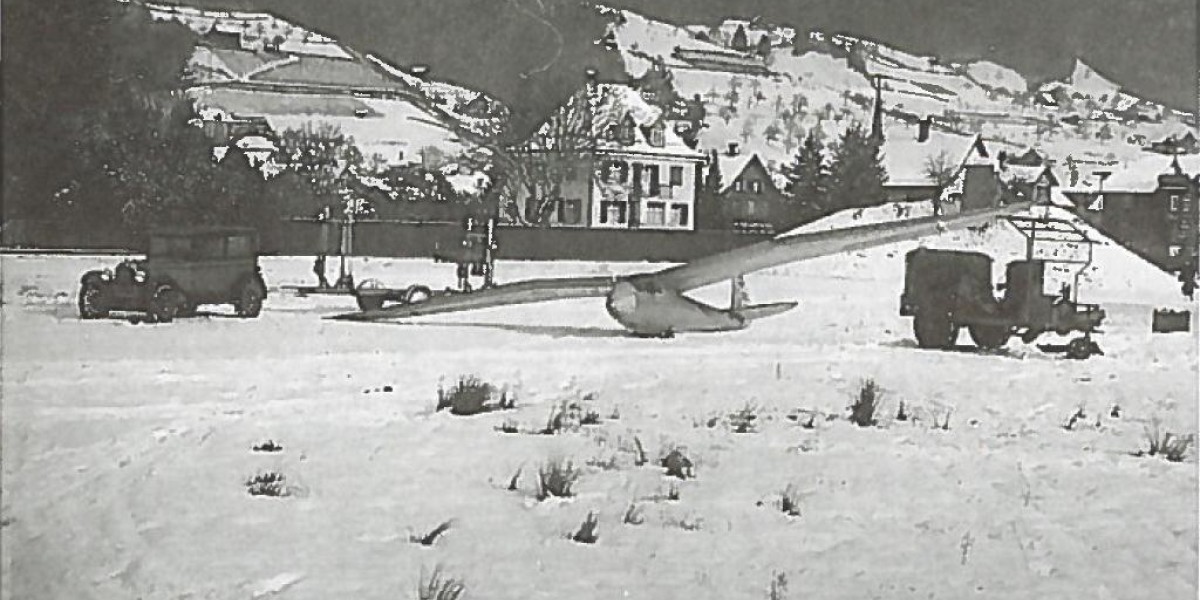
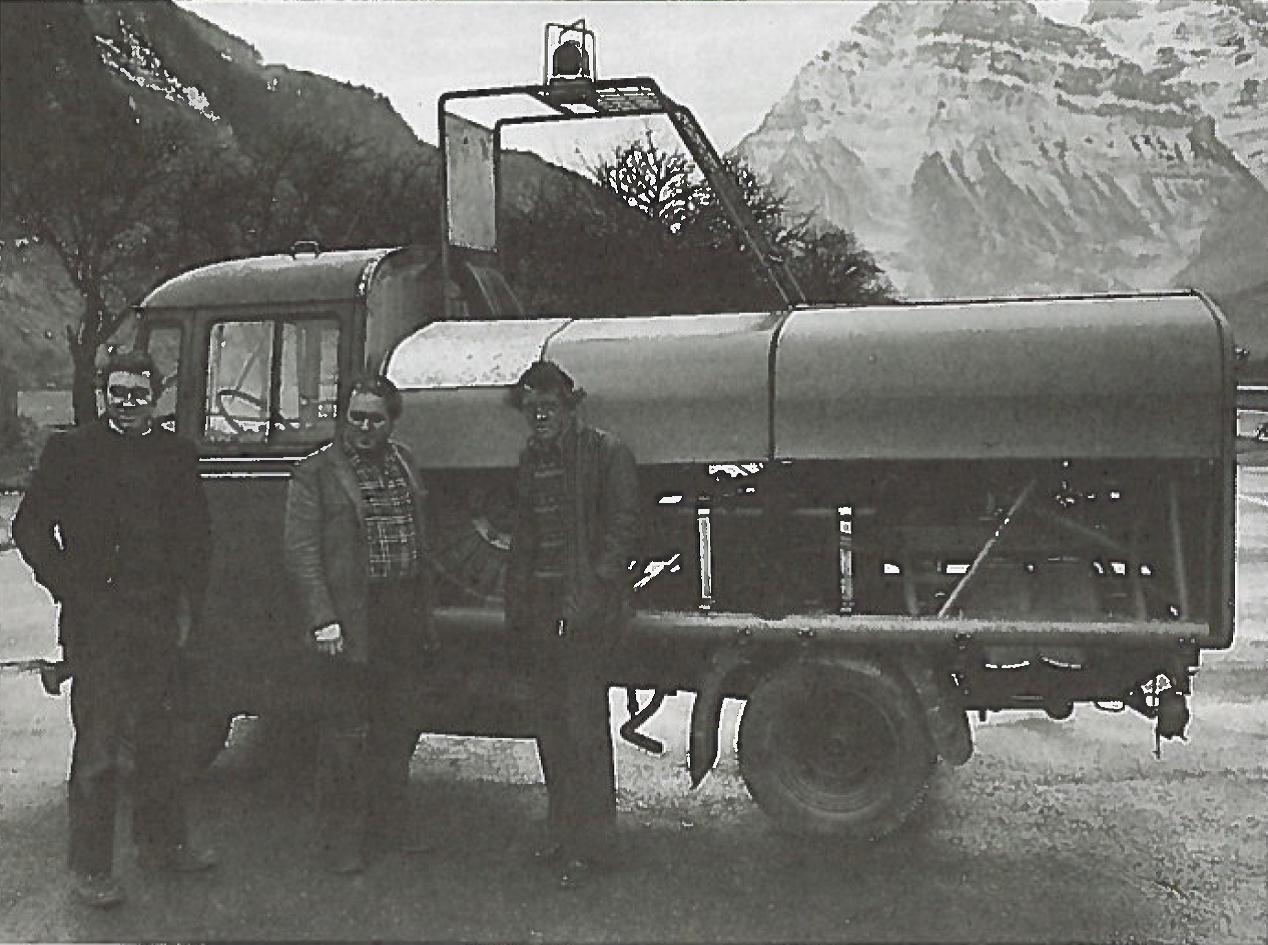
1946: Our story began in Walenstadt, at the eastern end of Lake Walen and at the foot of the proud Churfirsten peaks. The group took its name from that dominant mountain range. At the founding meeting, chairman and founder O. Kamber was already able to welcome 16 members. At that time, the equipment included an S18 III HB-353, a car winch, a transport trailer and a group transport vehicle. The local common land was levelled and used as the flying site.
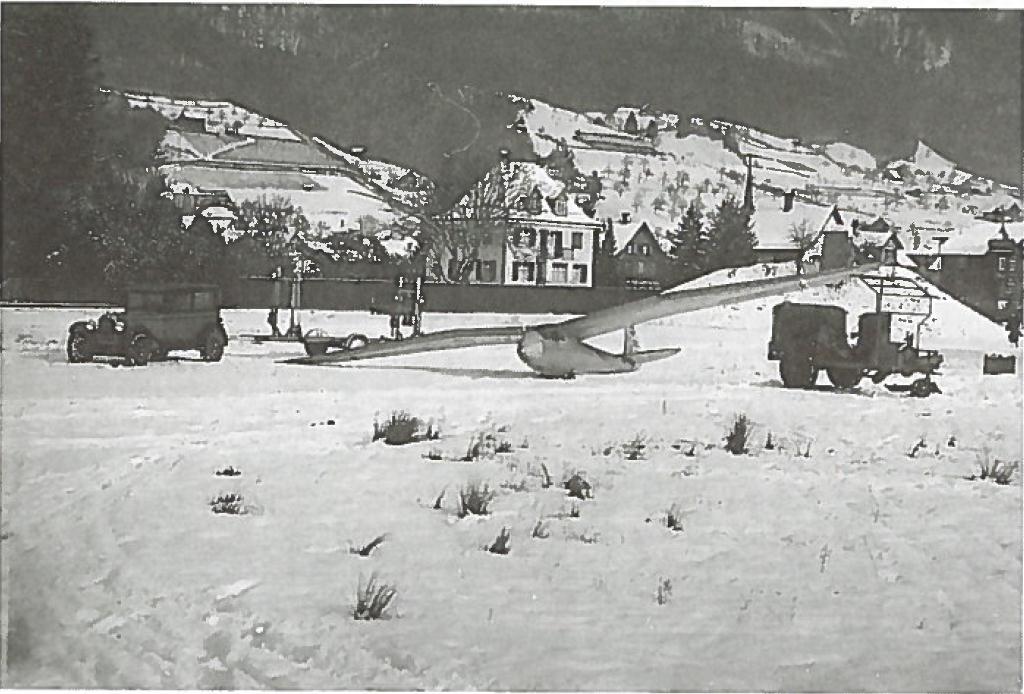
The early years were also marked by wandering seasons without a permanent airfield. With our trailers, we moved from meadow to meadow and from airfield to airfield across eastern Switzerland.
1956: On its 10th anniversary, the group received its first two-seater, the S21 HB-280.
Move to Mollis Airfield
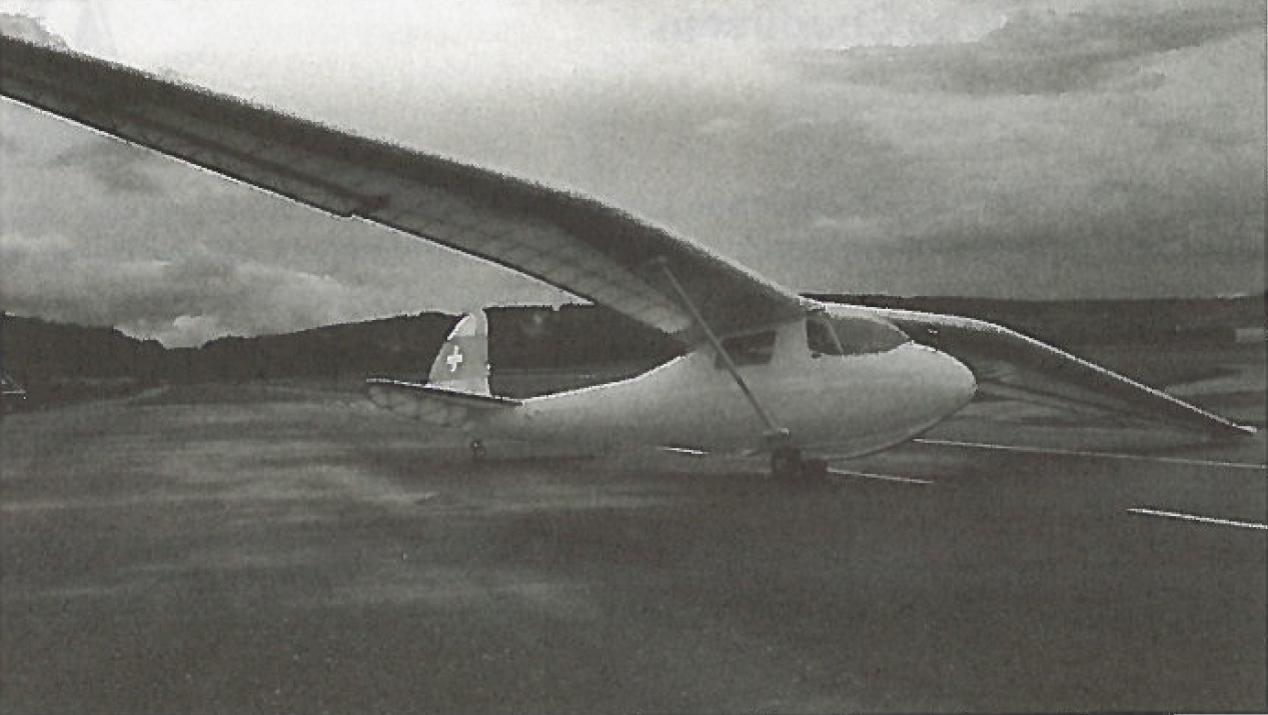
1959: After an intensive search, we found the opportunity to settle at the military airfield in Mollis. Outside military operations, we were allowed to use an aircraft shelter as a hangar. Even in these early years, we operated aerotow and winch launching.
1960: The introduction of the new Rhönlerche HB-666 made training much more efficient. Unfortunately, the joy was short-lived, as it was destroyed when a foehn wind struck during an outlanding retrieval.
1961: A significant year: Heiri Walt became our first in-house flight instructor. For the first time, regular flying and training operations were possible, and for the first time we exceeded 1,000 launches in a year, reaching 1,145.
1962: 1,500 launches, 400 hours, 8 Silver C badges and 5 official qualifications were a proud result. Sadly, the year was once again overshadowed by a tragic accident. The rebuilt Rhönlerche struck a timber cable and crashed. The pilot and passenger lost their lives and the aircraft was destroyed.
1964: In neighbouring Schänis, SG Lägern established an airfield. Our response to the expected competitive pressure was the highly controversial purchase of a Standard Austria, approved at the AGM. Our then chairman, Kurt Heer, was killed in this demanding high-performance glider after a winch cable break. Our chief flight instructor, Heiri Walt, became the new chairman, and the purchase of a K-8 HB-809 laid the foundations for future fleet development.
Stormy times
1968: A 'palace revolution' took place: the entire committee resigned and made way for the reformers. Res Senn became the new chairman. The group's first own tow plane, Champion HB-UAK, was acquired through a syndicate and made available to the club.
1969: The military unfortunately needed the shelters it had provided to us for its own purposes. We tried to solve our hangar problem with a tent, while our tow plane had to be kept in Schänis. It made for a complicated flying operation that brought in little and cost a great deal.
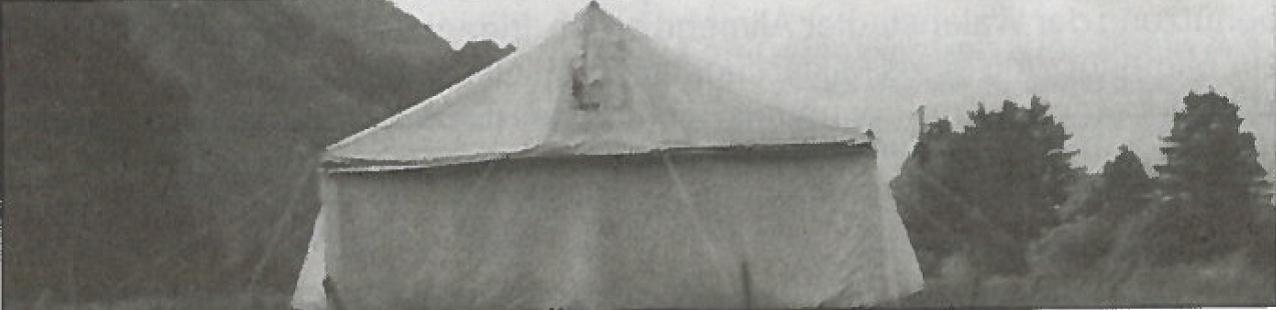
1970: Res Senn had to step down as chairman for professional and family reasons, and Tobias Jenny took over. Following the retirement of Venom fighter aircraft, the military was once again able to place the shelter at our disposal. Our finances, badly affected by the tent experiment, made a review of the fleet necessary. As a result, a Mucha and a Mü13 that we had operated as holders were returned, while two K-8s and the Rhönlerche were sold from our own fleet. After this painful slimming-down, we were left with a K-2 two-seater, a K-8, an S18 and the tow plane.
Steady growth and first cross-country successes
1972: With support from Aero Club and Sport-Toto grants, our finances allowed us to buy the B-4 HB-1116. With it, the era of all-wood aircraft came to an end. It would fly in our group for more than 40 years and was very popular with students and active pilots alike.
1976: A Standard Cirrus HB-1015 joined our fleet as the top aircraft and ushered in the age of fibreglass gliders in Mollis. The cross-country flying we had been systematically pursuing since the late 1960s now began to bear fruit. In the national gliding competition, A. Grüninger won the group category. Together with W. Danz and M. Berger, they also finished second in the group competition. In the same year, we also brought our new winch into service, which would launch us into the air for the next 30 years.
Our new hangar
1977: After countless attempts with the municipalities of Mollis and Netstal, we unexpectedly received approval from the municipality of Netstal to build a new hangar on a leasehold basis. A construction project was soon ready for submission, delayed only by an objection from nature and heritage protection authorities.
1978: Once planning approval had been granted and the detailed plans completed, construction of our new hangar could begin. On countless Saturdays, steel profiles were cut, holes drilled, the shell erected and welded. Of the total cost of CHF 130,000, we were able to finance nearly half from our own funds, while the remainder came from Aero Club and Sport-Toto grants, a mortgage from GLKB and loans from club members.
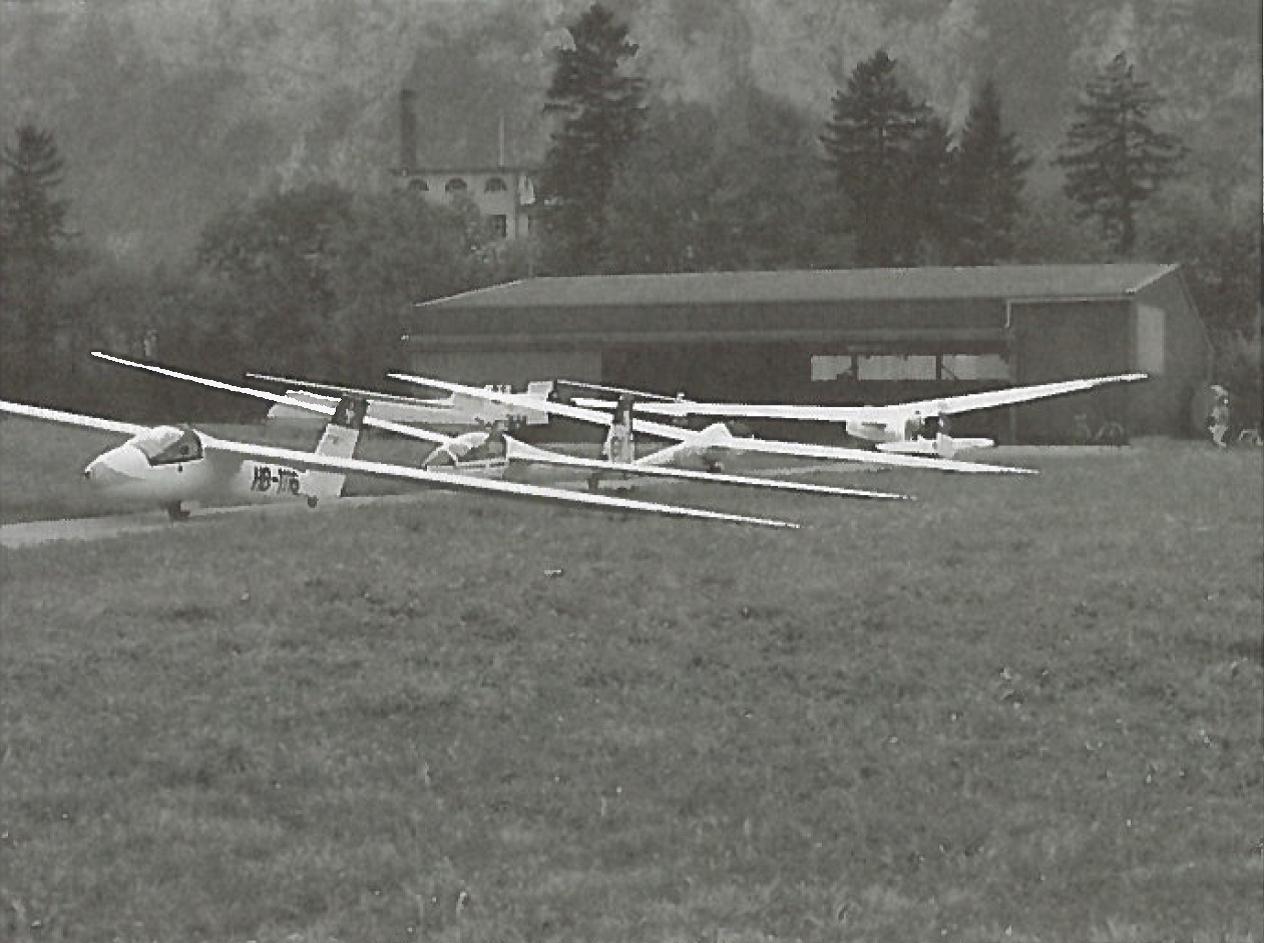
1979: Our new hangar, right next to the launch point, proved to be a great advantage: flying could take place even in less favourable weather, and the hangar office became a meeting place. We were able to rent an AVO 68 motor glider from Sitterdorf, although it took some time before the pure glider pilots accepted it to some degree.
1982: We had the opportunity to purchase a DG-100 at a favourable price. Unfortunately, this aircraft too was ill-fated: after being reassembled following an outlanding, the tailplane was not connected correctly and detached during launch. The aircraft was destroyed and the pilot injured. We ordered an ASW-19 as a replacement. In the summer, we also lost our K-2 during ridge flying on the Schilt. The passenger suffered minor injuries and the pilot was fortunately unharmed. The K-2 was burned on site.
New tow plane and new training two-seater
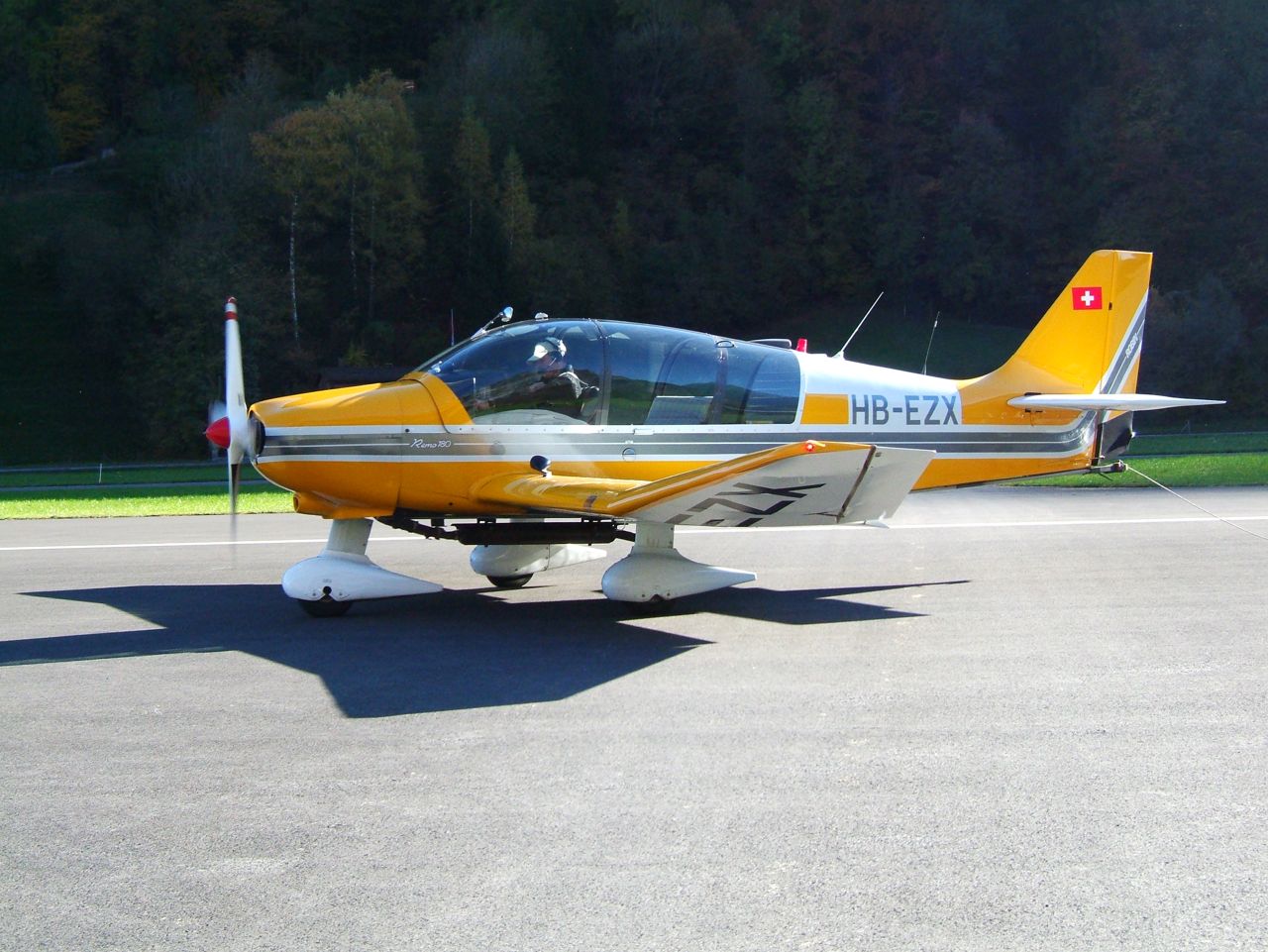
1983: Our Champion tow plane was due for a major overhaul, and the AGM decided against it in favour of buying a second-hand Robin DR 400/180 Remorqueur in northern Germany at a favourable price. During Ascension, a strong foehn situation developed and Kari Jenny set off on a foehn flight in the ASW-19. Unlocked airbrakes caused the ASW to hang far below the Robin. Kari clipped a tree with the wing and was killed. The ASW was destroyed.
1988: Our K-2 had reached the end of its service life, and our new ASK-21 was christened 'Netstal' at the Glarner Flügertag in August by the wife of the municipal president. For the next 30 years, young and old alike would learn to fly with us on this ASK-21 HB-1970.
Werner Danz wins the first Swiss championship title
1990: This year remains one of the highlights of our club's history. At the Swiss Championships in Sion, our members Werner Danz and Dani Künzler became Swiss champion and runner-up in the standard class. In the national competition, Dani Künzler won the standard class and, together with W. Danz and Ch. Hostettler, our group also won the team competition. With 1,700 flying hours, it was also a record year in terms of aircraft utilisation.
1991: By now, our group had 60 members and the following aircraft: ASK-21 HB-1970, K-8 HB-846, Standard Cirrus HB-1015, ASW-19 HB-1974, AVO 68 HB-2039 and Robin HB-EZX.
1992: After 22 years as chief flying instructor, Heiri Walt stepped down and, in recognition of his many achievements, was elected an honorary member. Werni Danz became the new chief flying instructor.
1993: From April onwards, our new flagship for conversions and cross-country flying, the DG-500/22 HB-3097, was available.
Change of name
1994: To express our connection to and gratitude for our airfield and home canton, we decided to change our group name from 'SG Churfirsten' to 'Segelfluggruppe Glarnerland'. At the same time, our old logo also made way for a new one.
1995: Our Robin underwent a complete overhaul.
50 years of SGGL – Air Show Mollis
1996: We celebrated our 50th anniversary with a major air show. Despite less than ideal weather, around 30,000 people enjoyed a spectacular flying display. In the same year, the Flugplatzverein Glarnerland was founded to guide the future of our airfield. Dani Künzler took over from Tobias Jenny as chairman. Tobias had steered our gliding group brilliantly for 26 years through highs and lows alike and became our newest honorary member. Our Mose HB-2039 was sold after suffering foehn damage.
2001: The group took over Dani Künzler's DG-300 Elan HB-1902, including trailer, from him as a club member. Werni Danz achieved an excellent third place at the World Championships.
2003: Walti Elmer took over from Dani Künzler as chairman.
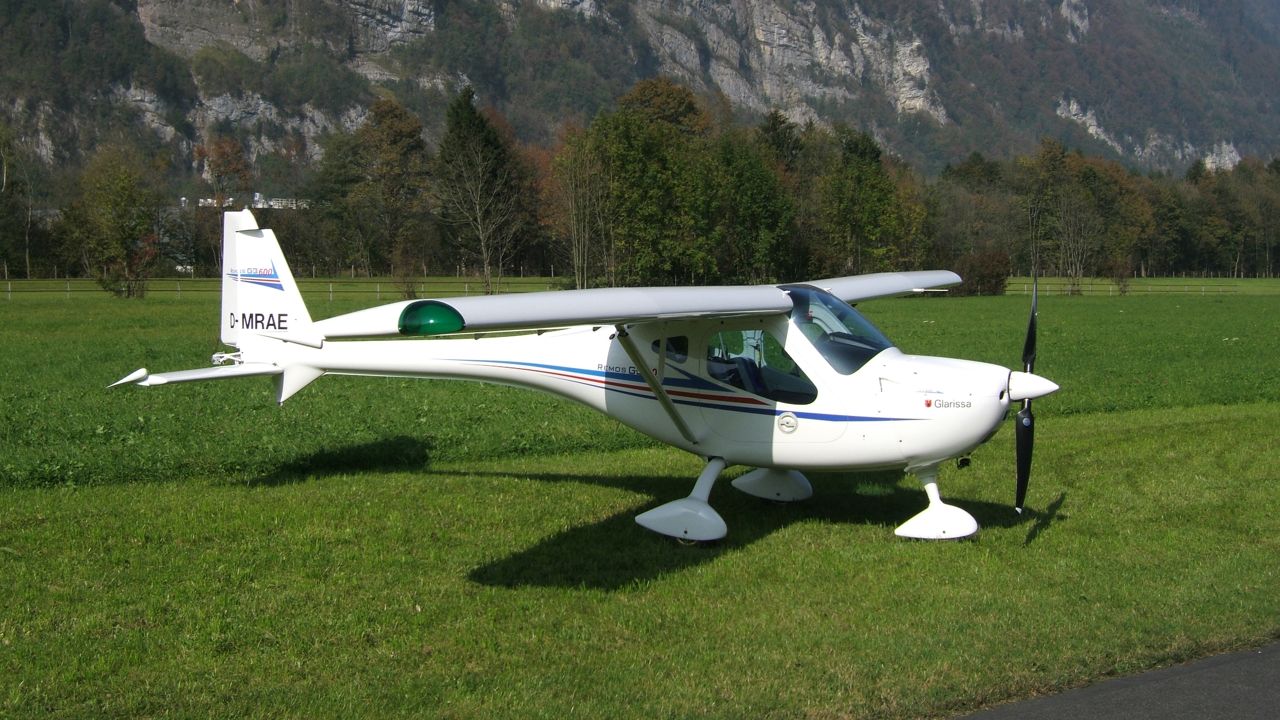
2006: To mark the 60th anniversary of our gliding group, we bought the very ecological and quiet Remos G3/600 Ecolight tow plane. Our Robin was sold to our club member Dani Schnyder, while remaining available to us as a tow plane when needed. The group also bought the DG-800S HB-3253 from our member Werni Danz. He had already won two championships with this aircraft.
2007: At the AGM, it was decided to sell our Cirrus HB-1015, the K-8 HB-846 and our Falk HB-2126 motor glider. In return, the DG-300 HB-3072 was purchased from western Switzerland.
Hosting the gliding conference
2008: Thomas Walt took over from Walti Elmer as chairman. The highlight of the year was the first-ever, and highly successful, organisation and staging of the gliding conference in the canton of Glarus. Preparations kept the committee busy throughout the year.
2009: With 11 students, our training programme reached a new record and also stretched our small team of flight instructors.
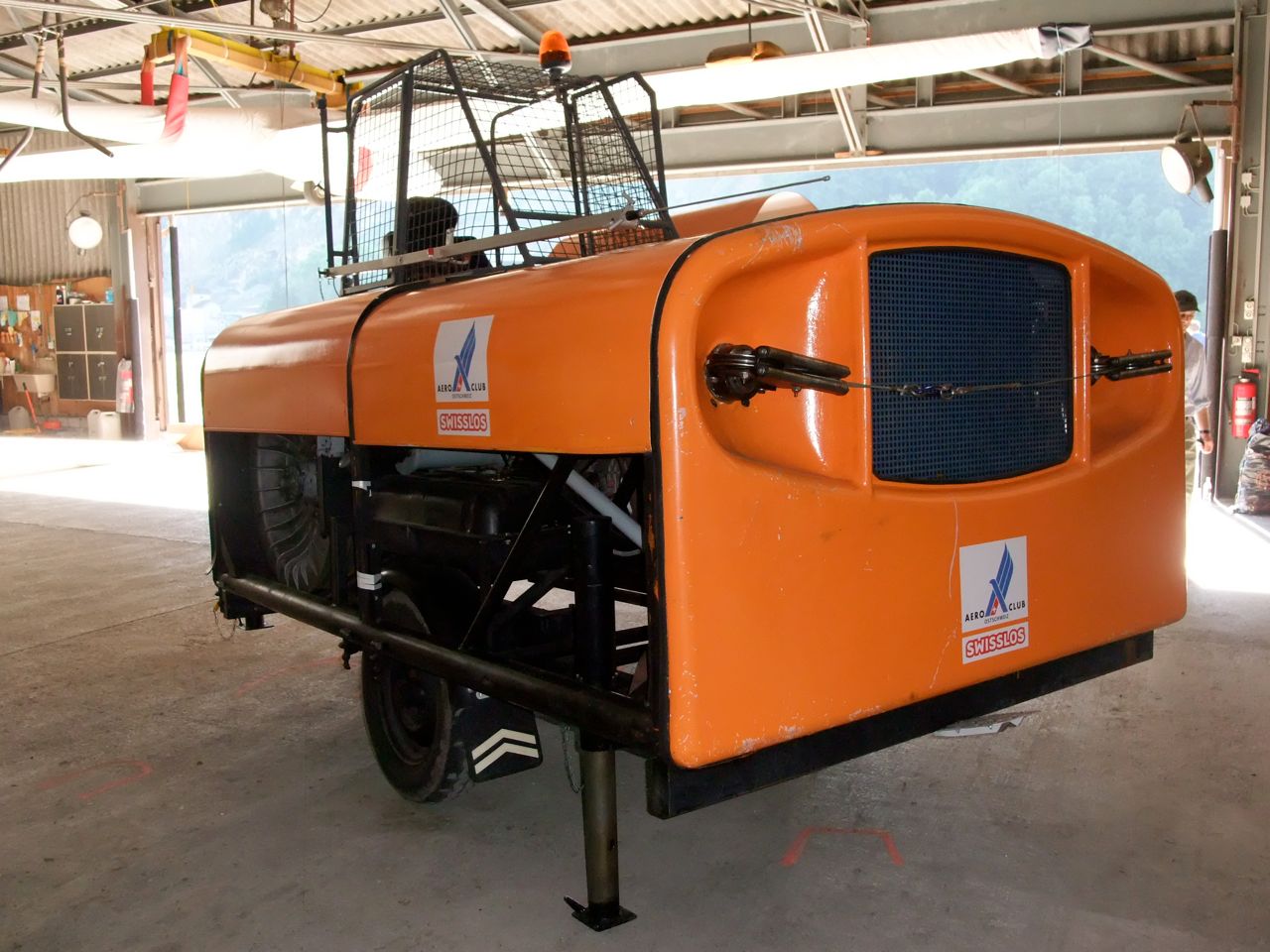
2010: Our group replaced its 34-year-old winch with a well-preserved Tost winch from SG Nidwalden. Our winch team overhauled it and we were able to begin winch training in time for the start of the season.
2011: After more than 30 years of accident-free operation, we suffered a tragic setback. On Good Friday, our member Däny Tresch was killed in a winch launch accident and our DG-800S HB-3253 was completely destroyed. In terms of flying hours, however, it was a good year, with an increase of 33% to a total of 1,473 hours, rising membership numbers and a healthy student base.
Integration of SG Alpin into SG Glarnerland
2012: At our AGM, the proposal to integrate SG Alpin into our flying group was accepted unanimously. SG Alpin had emerged from SG Blauer Windsack and had been based in Schänis since the 1960s. Because of declining membership numbers, they decided to dissolve their group. In addition to four new members, we also took over their DG-1000 HB-3400, which meant that we now proudly owned three two-seaters.